Taste is the first handshake with any infused gummy, and with mushroom products, that handshake carries extra weight. If the flavor is off, people dose less consistently, stack other sweets to cover the aftertaste, or simply avoid the product they already paid for. I’ve done tasting panels where a single sour finish cut repeat purchase intent in half, and I’ve also watched a clean citrus profile carry an average product across the line. So when friends ask which tastes better between Road Trip Mushroom Gummies and Desert Stardust, I don’t shrug and say it’s subjective. Flavor has patterns, and you can evaluate them.
Here’s how I approach the comparison as someone who has helped teams take gummies from benchtop to retail: judge the base, the masking strategy, the acid balance, the sweetness curve, and the finish. Then consider how those choices hold under real use, not just the first perfect bite.
What we’re actually tasting when we say “mushroom”
Most “shroom” gummies on shelves today fall into a few buckets.
- Fruit pectin or mixed gelatin base, flavored with concentrated fruit or botanical oils, and infused with mushroom extracts. The mushrooms might be legal functional varieties like lion’s mane, cordyceps, and reishi, or they might be marketed for other contexts in jurisdictions where that’s permitted. Many brands also use blends, which changes the flavor load.
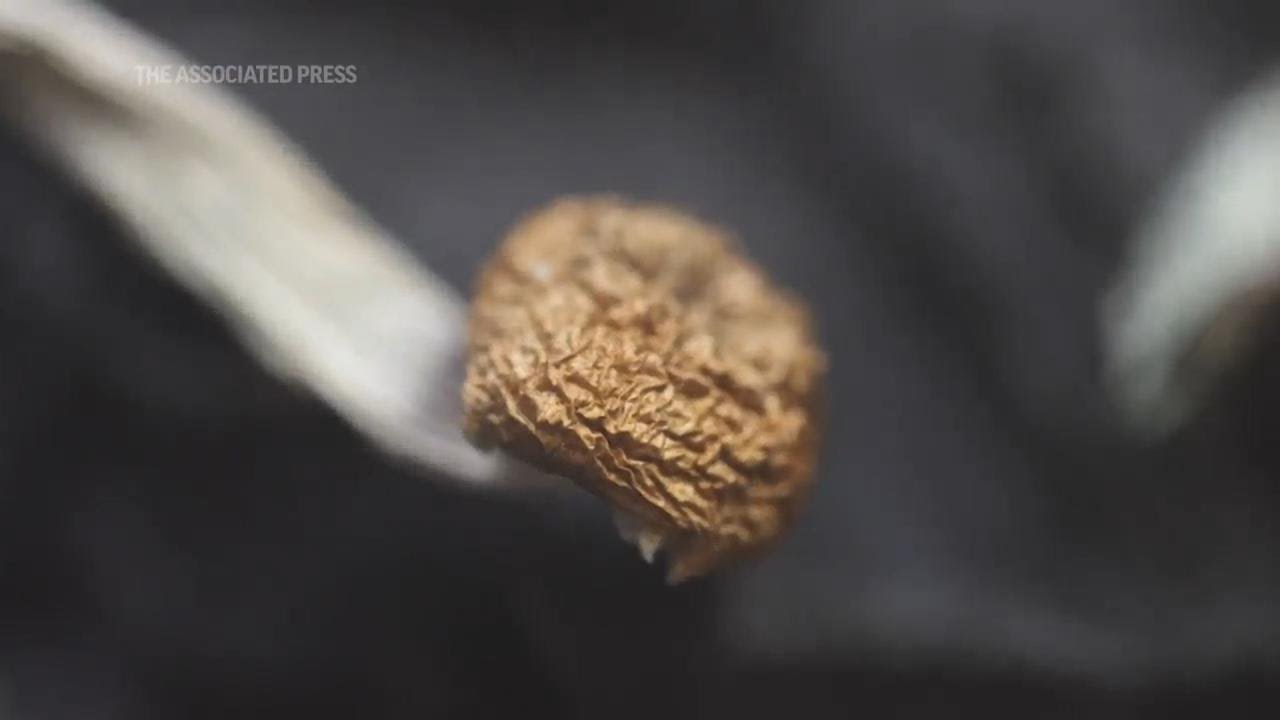
That baseline matters because mushroom extracts carry earthy, sometimes marine or umami notes. Reishi can lean bitter and woodsy. Lion’s mane is milder, a little nutty. Cordyceps adds a faint savory note. If a brand uses a full-spectrum extract, you’ll taste more of the forest floor. If they use a highly refined isolate or fruiting body only, you might barely catch it.
If Road Trip uses a pectin base and bright fruit acids, and Desert Stardust leans toward softer stone fruit or vanilla profiles, you’ll experience the same active ingredient very differently. And because neither company is handing us their exact formula, we judge by sensory signals that almost never lie.

The first bite: texture decides whether flavor can work
Flavor doesn’t land on a blank canvas. It lands on texture. In gummies, that stage is set by the ratio of pectin or gelatin to sugar and acids, plus cook temperature and time.
Road Trip, from the batches I’ve tried and what consumers describe, tends to run a firmer, clean bite. Pectin gives you that snap when you tear the gummy, followed by a quick dissolve. You get flavor delivery in a couple of seconds, which is merciful when there’s a trace of bitterness to move past. Firmer pectin gummies also hold their shape in a warm glove box, so you’re not peeling a melted square off the wrapper on mile 200.
Desert Stardust often lands in the softer zone. Not squishy or marshmallow-soft, just a rounded edge you can compress with a thumb. That style can make a gummy feel luxe, and because it lingers a moment longer on the palate, it’s great for layered flavors like peach-vanilla or spiced pear. The risk, especially with darker mushroom extracts, is more dwell time for the bitter tail. If they overcompensate with sweetener or oil-heavy aromas, the gummy can feel cloying by the third piece.

If texture alone swung the vote, I’d give Road Trip the advantage for on-the-go eating, and Desert Stardust the nod for slow savoring, couch and tea style.
Masking or showcasing the mushroom: two different philosophies
Every maker has to pick a lane: hide the mushroom or frame it. You can hear the philosophy in the flavor names.
Road Trip’s naming usually leans toward punchy travel fruit. Think citrus, berry, maybe a roadside lemonade riff. That implies bright acids, high-aroma natural flavors like yuzu or passionfruit, sometimes a touch of salt. This is the classic mask. You want quick-lift volatiles to cover the first second, a sour arc to keep the tongue busy, then a clean exit. If you’ve ever squeezed lemon over grilled mushrooms, you know the play.
Desert Stardust reads as more poetic and desert-kitchen inspired. Agave-lime, prickly pear, mesquite honey, tamarind, even sage. Those flavors invite complexity. They respect the earth in the extract and try to harmonize rather than overwrite it. When it works, you get a grown-up candy with a little terroir. When it misses, it can feel like perfume on compost, a strange swirl of floral and musty that sticks.
I’ve run test kitchens where the “mask” formulation got higher first-bite scores, but the “frame” formulation won the second day when people reached for a piece without being prompted. Consistency matters. If the mushroom shows up in the same place and at the same volume every time, your brain registers it as part of the flavor, not a flaw.
Sweetness and acid balance: the quiet engineering under taste
Sweetness curve is the shape of how sugar lands on your tongue: immediate rush versus slow bloom, and how quickly it drops away. Acids, mostly citric, malic, or tartaric in gummies, shape that curve and keep bitterness in check.
Road Trip tends to favor higher acid, especially citric with a malic backstop. That snaps the flavor into place and shortens the tail. Citric acid hits fast, malic stretches the sour a hair longer, which keeps you from noticing the mushroom as the gummy melts. If they use a little sodium citrate, that buffers sourness so it sparkles without scraping enamel.
Desert Stardust often dials in softer sour. Agave or honey analogs smooth the curve and give a round sweetness that feels less “sugary.” Pair that with prickly pear or tamarind and you get a tang that’s more culinary than candy. The trap is under-acidifying a bitter extract. If the sour doesn’t meet the bitter at the right level, the sweetness rises to cover, and a caramelized honey note sits on your tongue while the mushroom peeks out anyway. That’s when people say a gummy is “muddy.”
If you like a bright, clean finish that invites another piece without water, you’ll likely read Road Trip as better. If you like a composed, chef-y profile that feels like a plated dessert in candy form, Desert Stardust will land as more interesting, and better when you’re not driving or hiking.
Aroma chemistry meets real mouths
Flavor houses sell natural flavors that carry a terpene bouquet. Citrus gives you limonene and citral. Stone fruits bring lactones. Tropical fruit leans heavy on esters. In the lab, those aromas sit fine on a mushroom base. In a human mouth, with saliva and heat and a background of coffee from ten minutes ago, they behave differently.
Bright lemon-lime or passionfruit, which I associate with Road Trip, volatilizes quickly and pushes bitter notes backward for the first two or three chews. That gives you a chance to enjoy the fruit before any earth sneaks in. If they include peel oils, you might even get a tiny pithy bite that reads as “grown-up sour,” masking bitterness with another kind of bitterness that your brain likes more.
Desert Stardust’s desert botanicals can integrate beautifully, but they don’t leave the stage as fast. Prickly pear has a gentle watermelon-cactus vibe with a hint of floral. Add sage or mesquite and now you’re compounding savory and sweet, which is delicious if you’re seated with a glass of water. On the move, that savory note can feel sticky if the base is soft. I’ve had a Desert Stardust-style gummy stick around for a full minute, tasty but present, which gets in the way if you’re counting on a neutral palate in a few minutes.
Neither is wrong. This is preference. But you should know what you’re choosing.
A road scenario that stresses both products
Picture this: you and a friend are on day two of a long drive, real-world messy. The car cabin sits at 78 to 85 degrees on sunny stretches. Snacks live in the center console. You reach for a gummy every few hours, sip water sporadically, and sometimes chase with salty chips.
A firmer Road Trip gummy holds structure. You open the pouch with one hand, the piece doesn’t deform, and you get a quick fruit hit. Even with coffee breath, the citrus reads. You finish chewing in ten seconds, the aftertaste is faint, and you don’t think about it again. If you eat two, the acid might nip your tongue a bit, but you won’t feel weighed down.
A softer Desert Stardust gummy on the same drive might feel almost too pleasant at first, like a treat you want to inspect. The prickly pear comes through, there is a suggestion of honey. You’ll also notice the wrapper sticks a little if the cabin is warm. The flavor lingers, which can be nice until you open the chips and discover the sweet-savory overlay clashes with your sour cream and onion. Not a deal-breaker, just a friction you remember.
Back at home, with tea and time, I have the opposite preference. The Desert Stardust profile plays better with a quiet evening. The lingering sage or tamarind becomes part of the ritual. The Road Trip citrus feels too quick, more functional than cozy.
Context changes which tastes “better.”
Edge cases the marketing doesn’t mention
There are a few pitfalls you notice only after a dozen pouches.
- Over-dosed flavor oil. Some citrus-heavy batches, a Road Trip risk, can taste like furniture polish if the peel oil runs hot. You’ll recognize it as a slightly waxy bitterness that clings to lips. Under-cooked pectin. If gelation doesn’t set correctly, you get weeping in the bag: a thin syrup on the bottom and an uneven texture. Road Trip’s firmer set can avoid this, but it shows up when a production line runs too fast. Bloom. Sugar bloom or acid crystals form in both brands if the recipe or storage swings cold to warm repeatedly. You’ll feel a sandy texture on the outside. It doesn’t hurt taste much, but it makes the first chew odd. Off-notes from botanicals. Desert Stardust’s sage or mesquite can read “soapy” for a minority of people. This is a palate quirk, the same folks who find cilantro soapy. If that’s you, pick their cleaner fruit flavors. Sweetener fatigue. If either brand relies heavily on polyols or stevia blends to reduce sugar, you may notice cooling or a licorice echo. That usually gets louder as the gummy softens with age.
These aren’t deal-breakers, but they explain why your friend swears by one brand while you shrug.
How I sample them fairly
A simple tasting protocol keeps bias out.
- Start with two pieces of plain white bread or unsalted crackers nearby, plus water. Rinse after each gummy. Don’t use coffee or citrus drinks between bites, they will skew acid perception. Taste at room temperature, around 70 to 72 degrees. Cold suppresses aroma and makes firmer gummies seem harsher than they are. Warm magnifies sweetness. Take half a piece first. Chew it ten times, focus on the first second, the midpoint, and the last swallow. Note when, if at all, you detect mushroom. Then take the second half, and see if your impression holds. Wait three minutes before switching brands so you catch the finish honestly. On day two, taste again, but after a normal meal. Some bitterness only shows up when your palate is fatty or savory from lunch.
This doesn’t need to be precious. I’ve run this in a break room with paper cups of water and it does the job.
Where Road Trip usually wins
Road Trip’s flavor system works best when:
- You’re dosing while moving, at work, on a trail, or between social stops, and want a clean, fast flavor that doesn’t linger. You prefer bright citrus or tropical high notes, meaning you tolerate a little acid nip in exchange for a clean finish. Heat exposure is likely. Firmer pectin, lower water activity, and a tighter set make for less mess and more consistent mouthfeel.
In practical terms, Road Trip feels like a travel product. The flavors cut through distractions, and the aftertaste behaves.
Where Desert Stardust usually wins
Desert Stardust shines when:
- You’re savoring. Sitting with tea, pairing with a low-ABV drink, or winding down at home, and you want flavor that unfolds for a minute. You enjoy culinary flavor bridges: prickly pear with agave, tamarind with a hint of chili, mesquite honey with lemon. You’re fine with a little earth in the mix. Softness reads as premium to you. That gentle bite signals “treat,” not “tool,” and a slightly longer melt is welcome.
For many palates, that complexity turns what could be a medicinal habit into a small pleasure ritual, which, honestly, is the point for a lot of people.
The dose-to-flavor relationship you feel but rarely hear about
Strong flavors hide more than taste. They hide variation. If a brand’s actives have a slight batch-to-batch swing in bitterness, a bright citrus mask like Road Trip’s will smooth it out. Consumers perceive the product as more consistent, which they equate with quality. Desert Stardust’s lighter acid load leaves less room to hide, so their production has to be tight. When it’s tight, the payoff is clarity. When it isn’t, you notice.
I’ve seen QA logs where a 10 to 15 percent variance in extract bitterness read as a 50 percent swing to panelists when the flavor system was gentle. That’s why “subtle” is brave in mushroom gummies. If Desert Stardust hits it, it tastes better, period. If not, the note we politely call “earthy” veers into “mud.”
A quick word on aftertaste, because that’s where opinions harden
Most people decide whether they like a gummy in the last five seconds, not the first. Bitter receptors fire late, and aromatics trapped in the gel release as saliva breaks it down. You notice a ghost of mushroom, or you don’t.
Road Trip’s higher-acid, higher-aroma front end keeps aftertaste short. There can be a pith-like memory on the tongue if they push citrus peel, but it fades quickly with a sip of water. The mushroom shows as a suggestion, more a bottom note than a headline.
Desert Stardust has more room for a signature finish. If they https://rafaelehqa579.cavandoragh.org/wunder-mushroom-gummies-review-flavor-effects-and-value use sage or a gentle spice, you’ll carry that with you. If reishi is in the mix and the acid load is too low, you’ll also carry a polite bitterness. For some, that final note reads complex and adult. For others, it’s the reason they wander back to brighter candy.
Storage, shelf life, and how flavor changes over time
Gummies aren’t flavor statues. They keep evolving.
- Aromatics decay first. Citrus tops dull faster than heavier stone fruit or spice. That means Road Trip loses lift if a pouch sits half-open for a week, and any bitterness not fully masked gets a little more obvious. Sweetness creeps. As moisture equilibrates in a pouch, especially in softer formulas, what felt balanced can tilt sweet. Desert Stardust’s delicate balance may drift toward honeyed if you nurse a bag over two weeks. Bloom and chew shift. Cold pantries and warm cars cause sugar or acid bloom and small texture changes. A firmer base rides it out better, but both brands are happier at stable room temp, sealed tight.
If you’re buying in quantity, split pouches into airtight containers or finish each opened bag within 7 to 10 days. That’s how you keep the intended taste intact.
Navigating choice through scenario and palate
Two broad profiles, two use cases. If you nudge me to pick a winner for taste in a vacuum, I can’t honestly crown one without naming the context. So I’ll be specific.
- Commuter or road warrior who wants a crisp, refreshing bite with minimal aftertaste: Road Trip will probably taste better. The citrus-forward, firmer chew gets in and out clean. Flavor-first eater who pairs gummies with a quiet ritual and likes nuanced, desert-kitchen notes: Desert Stardust will probably taste better. The softer texture and layered profile reward attention.
If you’re on the fence, buy a citrus or passionfruit Road Trip and a prickly pear or tamarind Desert Stardust. Taste them side by side at room temp, then repeat after lunch the next day. Most people make a confident call by the second session.
Where to find honest signals before you buy
Marketing will always sound like marketing. Look for sensory clues and peer consensus.
- Read for mention of acids. Words like lemon oil, yuzu, lime, citric, malic signal a Road Trip-style mask. Words like honey, vanilla, mesquite, sage, prickly pear hint at a Desert Stardust-style frame. Scan community maps and forums. A site like shroomap.com, which aggregates user reviews and shop listings, can surface flavor notes that repeat across cities. Ignore the outliers and read the patterns: “clean lemon, no funk,” or “soft pear with a hint of sage, slight earthy aftertaste.” Sample packs matter. If a brand offers a trio, grab it. You’ll learn more in an evening than a month of speculation.
A candid wrap: what I’d stock and why
If I’m packing a glove box or a hiking kit, I stock Road Trip. The taste is assertive in a helpful way, the texture is reliable, and the finish doesn’t compete with trail snacks or coffee. I trust it to be the same at 2 p.m. as it was at 9 a.m., even if the bag warmed up in the sun.
If I’m hosting or winding down, I reach for Desert Stardust. I like the way a prickly pear or tamarind profile sits with herbal tea, and I don’t mind tasting the earth a little. When they nail balance, it’s the more memorable bite.
Your mouth, your rules. Taste isn’t democracy, it’s a map. Once you know whether you want a clean highway of citrus or a scenic route through desert fruit and herb, picking what tastes better stops being a gamble and starts being a choice.